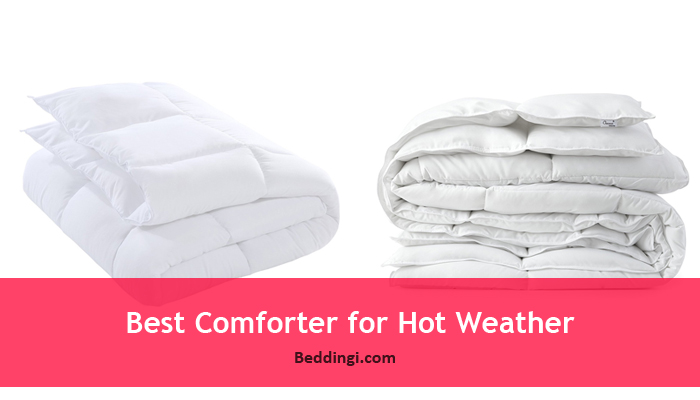

Duvet vs comforter – discover the real differences and choose the perfect bedding for comfort, warmth, and style.
A duvet is a soft, quilt-like insert used with a removable cover, while a comforter is a filled, stitched blanket you use as-is. Duvets are easier to clean and customize, while comforters are simple and ready to use right away.
Duvet vs Comforter
Have you ever stared at bedding labels wondering whether you should get a duvet or a comforter? 😅 It’s a common confusion—these two look similar but offer very different experiences in comfort, care, and style. The good news is, once you understand the difference, choosing becomes simple.
A duvet comes with a removable duvet cover, making it easy to wash and switch styles. A comforter, on the other hand, is a single stitched blanket that you use without a cover. Both can keep you warm and cozy—but the right choice depends on your lifestyle and sleep preferences.
Let’s break it all down in a friendly, simple way so you can pick the bedding that feels just right for you. 🛏️✨
What Is A Duvet? 🪶
A duvet is a soft, plush insert filled with materials like down, feathers, wool, or synthetic fibers. It’s designed to be used inside a duvet cover, similar to a pillow inside a pillowcase. The duvet insert itself is usually plain white because the beauty and color come from the cover.
The duvet cover can be removed and washed on a regular basis. This makes duvets a great option for those who like changing their bedroom style often without buying new bedding. Many people love duvets because they feel cloud-like, warm, and lightweight.
What Is A Comforter? 🌙
A comforter is a quilted blanket filled with down or synthetic fiber and stitched in place so the filling spreads evenly. Unlike a duvet, a comforter does not require an extra cover. You simply lay it on the bed and you’re done.
Comforters are great for people who want a simple, ready-to-use bedding option. They come in matching bedding sets, making it easy to coordinate your bedroom decor without extra effort or cost.
Key Differences At A Glance (Comparison Table)
| Feature | Duvet | Comforter |
| Requires Cover | Yes, duvet cover needed | No cover required |
| Cleaning | Wash cover often, insert occasionally | Wash entire comforter |
| Style Flexibility | High – change covers easily | Low – style is fixed |
| Warmth Level | Adjustable with insert choice | Pre-set by manufacturer |
| Ideal For | Custom comfort & easy washing | Simple grab-and-use bedding |
Appearance And Style 🎨
A duvet is typically plain because it goes inside a duvet cover. The cover is what allows you to change your entire bed’s look fast. Want modern minimalism? Swap to a neutral cover. Want holiday vibes? Change to a festive one. Easy!
Comforters are sold as part of bedding sets. So if you prefer perfectly matched pillows, sheets, and blanket prints, a comforter is your friend. Just remember: you’re stuck with that look until you buy a new set.
Warmth And Comfort 🌡️
Duvets give you more control. You can pick lighter or heavier inserts depending on your climate. This makes them perfect for all seasons.
Comforters offer consistent warmth. However, if you get too hot or cold, you may need either extra blankets or a lighter comforter altogether.
Maintenance And Washing 🧺
Here’s where duvets often win. You toss the cover in the wash (like a sheet). The insert only needs cleaning a few times a year.
Comforters need to be washed as one piece, which can mean bulky laundry loads or dry-cleaning. If keeping bedding fresh with less hassle matters to you, the duvet is the better choice.
Price Differences 💲
Duvets can sometimes cost more upfront because you need the insert and the cover. But, replacing the cover is cheaper long-term than buying new comforters when you want a new look.
Comforters range from budget-friendly to high-end luxury. If you are decorating a room fast and affordably, comforters offer simple value.
Durability And Longevity ⏳
Duvets tend to last longer because the insert is protected by the cover. The cover shields from body oils, spills, dust, and pet fur.
Comforters wear faster because you wash the entire item more often. Stitching and filling may flatten over time.
Who Should Choose A Duvet? ✅
A duvet is perfect if you:
- Love switching up bedroom décor
- Want easy washing and maintenance
- Prefer bedding that’s warm but lightweight
- Like customizing filling type and fluff
Who Should Choose A Comforter? ✅
A comforter is best if you:
- Want a “buy and use” solution
- Prefer coordinated bed sets
- Don’t want to fuss with covers
- Want simple style without frequent changes
Seasonal Bedding Flexibility 🌦️
| Season | Best Duvet Insert Type | Comforter Recommendation |
| Summer | Lightweight microfiber | Thin, breathable comforter |
| Fall | Medium-weight down blend | Medium loft comforter |
| Winter | Goose down or wool | High-loft insulated comforter |
Filling Materials Explained 🧵
Duvets and comforters use similar fillings, but the feel varies greatly.
Common Fill Types:
- Down: Ultra soft and warm, lightweight, luxurious.
- Feather: Natural and warm, slightly heavier.
- Synthetic Microfiber: Budget-friendly, hypoallergenic.
- Wool: Temperature regulating, great for hot sleepers.
If you have allergies, microfiber or hypoallergenic down alternatives are excellent.
Style And Bedroom Aesthetics ✨
Duvets pair nicely with minimalist, Scandinavian, or cozy layering styles.
Comforters work great for bold patterns or matching bedroom sets.
Both can look beautiful—it just depends on your personal taste.
Ease Of Use & Daily Bed-making 🛌
Here’s the honest part:
- Duvet covers can be annoying to put on. (Yes. We all struggle. 😆)
- Comforters are easier to make the bed with—just lay and go.
However, once on, duvet covers are low effort day-to-day.
Pros And Cons (Quick View)
| Duvet Pros | Duvet Cons |
| Easy to wash | Cover changing can be tricky |
| Customizable warmth | Insert can shift without corner ties |
| Style flexibility | Costs more at first |
| Comforter Pros | Comforter Cons |
| Ready to use | Harder to wash |
| Comes in bedding sets | Less styling flexibility |
| Uniform warmth | May flatten over time |
Final Thoughts: Which One Should You Choose? 🤔
If you value ease of washing, styling variety, and customizable comfort—go with a duvet.
If you want something simple and ready-to-use right away—a comforter is your best match.
There’s no wrong choice. It’s about your comfort, your lifestyle, and your bedroom vibe.
Conclusion
Choosing between a duvet and a comforter doesn’t have to be confusing. A duvet gives you maximum flexibility and freshness, while a comforter gives you simple, coordinated comfort right out of the package. Think about how much maintenance you’re okay with and how often you like switching up your style. Once you consider your daily routine and personal comfort preferences, the right bedding choice becomes easy.
FAQs
What’s easier to clean, a duvet or a comforter?
A duvet is easier because you only wash the cover. The comforter must be washed whole, which can require large machines or dry cleaning.
Is a duvet warmer than a comforter?
It depends on the insert. Duvets can be warmer because you can choose high-fill or thermal inserts. Comforters have fixed warmth.
Do I need a top sheet with a duvet?
Not necessarily. Many people skip the top sheet because the duvet cover is washable.
Are duvets better for hot sleepers?
Yes, if you choose a breathable insert like microfiber or wool. Duvets allow more temperature control.
Can you use a comforter inside a duvet cover?
Yes, many people do this. Just make sure it’s the right size to avoid bunching.