
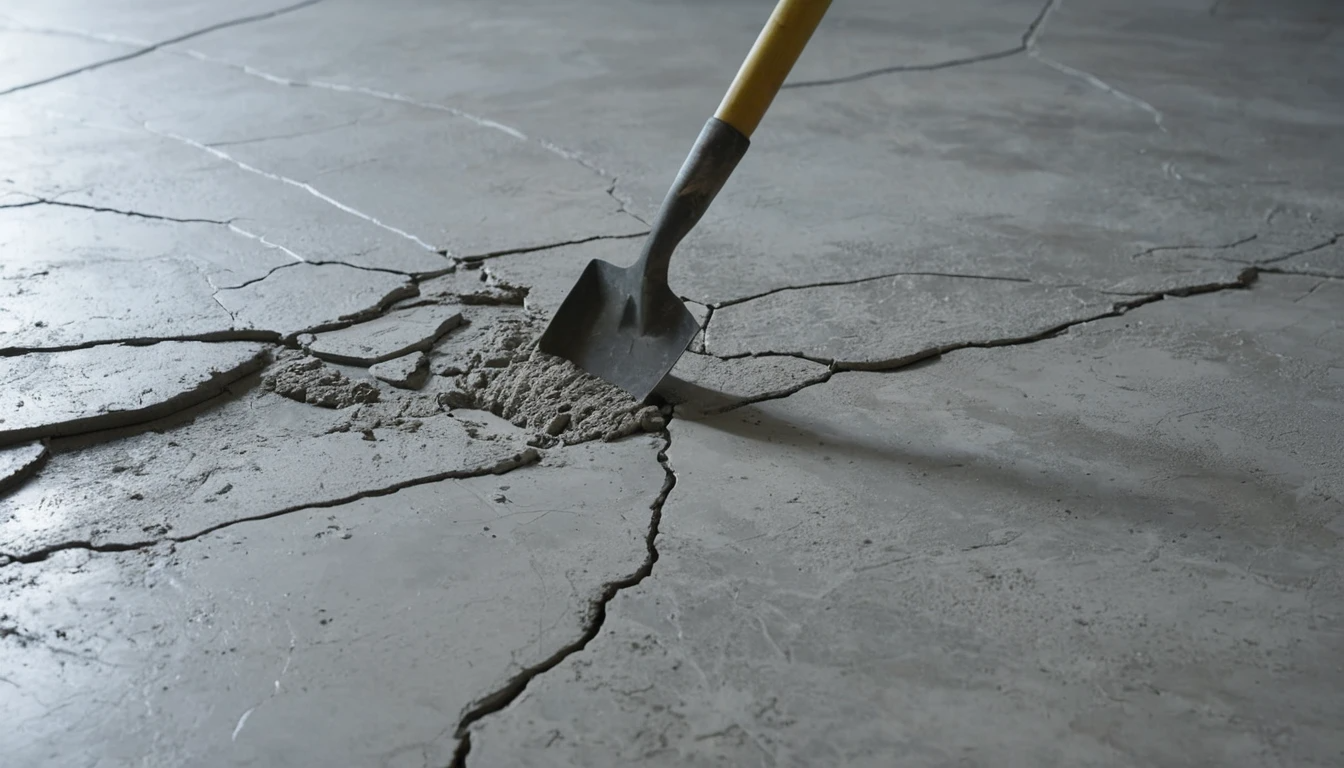
Patching concrete floor made simple. Learn easy steps, tools, and tips to repair cracks and holes fast and effectively.
Patching concrete floor is the process of repairing cracks, holes, or damaged areas using fillers or resurfacing compounds. It restores strength, improves appearance, and prevents further damage. With the right tools and steps, you can fix most concrete issues yourself without hiring a professional.
Patching Concrete Floor: The Complete DIY Guide 🛠️
Ever looked at your cracked concrete floor and thought, “Is this going to get worse?”
You’re right to worry. Small cracks can turn into big problems if ignored. The good news? You don’t need to be an expert to fix it. With the right approach, you can repair your floor and make it look almost new again.
What Is Patching Concrete Floor? 🤔
Patching a concrete floor means repairing damaged areas like cracks, holes, or uneven surfaces. It involves cleaning the area and applying a special compound that bonds with the existing concrete. This helps restore both strength and appearance.
Concrete damage happens over time due to wear, moisture, or heavy loads. If left untreated, the damage spreads and weakens the structure. That’s why patching is important for both safety and durability.
The process is simple but requires attention to detail. You need the right materials and proper preparation. Done correctly, it can extend your floor’s life by years.
Why Concrete Floors Crack Or Get Damaged ⚠️
Concrete may seem tough, but it’s not indestructible. Several factors cause cracks and damage over time. Understanding these reasons helps you prevent future issues.
Common causes include temperature changes, which make concrete expand and contract. Poor installation or low-quality materials can also lead to weak spots. Heavy loads and moisture seepage are other major culprits.
Here are the most common reasons:
- Temperature changes
- Moisture penetration
- Heavy traffic or weight
- Poor mixing or curing
- Soil movement beneath the slab
Knowing the cause helps you choose the right repair method.
Signs Your Concrete Floor Needs Repair 🔍
Not all damage is obvious at first. Some issues start small but grow quickly. Spotting early signs can save you time and money.
Look for visible cracks, chips, or holes on the surface. Uneven areas or dips are also warning signs. Sometimes, you may notice dust or flaking concrete, which indicates surface breakdown.
Watch out for:
- Hairline cracks spreading over time
- Loose or crumbling edges
- Water pooling in certain spots
- Discoloration or surface wear
If you notice any of these, it’s time to act.
Types Of Concrete Floor Damage 🧱
Different problems require different solutions. Not all cracks are the same, and neither are repair methods.
Here’s a simple breakdown:
| Damage Type | Description | Repair Method |
| Hairline Cracks | Thin, shallow lines | Crack filler |
| Deep Cracks | Wide and deep gaps | Patching compound |
| Holes | Missing concrete chunks | Cement patch mix |
| Surface Flaking | Peeling top layer | Resurfacing |
Understanding the type of damage helps you choose the right materials.
Tools And Materials You Will Need 🧰
Before you start, gather everything you need. Having the right tools makes the job easier and faster.
Here’s what you’ll typically need:
- Concrete patching compound
- Wire brush
- Chisel and hammer
- Trowel
- Bucket and mixing tool
- Safety gloves and goggles
Using quality materials ensures better results. Cheap products may fail quickly and require rework.
How To Prepare The Surface Properly 🧼
Preparation is the most important step. Skipping it can lead to poor bonding and failed repairs.
Start by cleaning the area thoroughly. Remove dust, debris, and loose concrete using a wire brush. For deeper cracks, use a chisel to widen the gap slightly. This helps the patching material stick better.
Make sure the surface is slightly damp but not wet. This improves adhesion and prevents the patch from drying too quickly.
Step-By-Step Guide To Patching Concrete Floor 🛠️
Now comes the main part—fixing the damage. Follow these steps carefully for the best results.
- Clean the damaged area
- Remove loose debris
- Mix the patching compound
- Apply the compound using a trowel
- Smooth the surface evenly
- Let it cure properly
Take your time with each step. Rushing can lead to uneven surfaces or weak repairs.
Best Patching Compounds To Use 💡
Choosing the right material makes a big difference. Not all patching compounds are the same.
Here’s a quick comparison:
| Type | Best For | Benefits |
| Vinyl Concrete Patch | Small cracks | Easy to apply |
| Epoxy Filler | Deep cracks | Strong and durable |
| Cement-Based Mix | Holes | Affordable and reliable |
Pick a product based on your repair needs.
Tips For Long-Lasting Repairs 🧠
Want your repair to last for years? Follow these simple tips.
- Always clean the surface properly
- Use high-quality materials
- Apply in thin layers if needed
- Allow proper curing time
- Avoid heavy use during drying
A little extra care can make a big difference.
Common Mistakes To Avoid ❌
Even small mistakes can ruin your repair work. Knowing what to avoid helps you get better results.
Avoid these errors:
- Skipping surface preparation
- Using too much water in the mix
- Applying patch on a dirty surface
- Not allowing enough curing time
These mistakes weaken the repair and cause it to fail quickly.
How Long Does Concrete Patch Take To Dry? ⏳
Drying time depends on the material used and weather conditions. Most patching compounds set within a few hours but need more time to cure fully.
Light repairs may dry in 2–4 hours. However, full curing can take 24–48 hours. Avoid walking or placing heavy items on the area during this time.
Patience is key here. Let it cure properly for the best results.
Indoor Vs Outdoor Concrete Repairs 🌦️
Repairing indoor and outdoor concrete floors requires slightly different approaches. Environmental factors play a big role.
Outdoor repairs must handle weather changes, moisture, and temperature swings. Indoor repairs are more controlled but still require proper ventilation.
Here’s a quick comparison:
| Feature | Indoor | Outdoor |
| Exposure | Low | High |
| Drying Time | Faster | Slower |
| Durability Needs | Moderate | High |
Choose materials based on the environment.
When To Call A Professional 👷
Some repairs are too complex for DIY. Knowing when to call a professional can save you from bigger problems.
Call an expert if:
- Cracks are very wide or deep
- The floor is sinking or uneven
- Damage keeps coming back
- Structural issues are suspected
Professionals have tools and experience to handle serious damage.
Cost Of Patching Concrete Floor 💰
DIY repairs are usually affordable. The cost depends on materials and the size of the damage.
Here’s a rough estimate:
- Small cracks: Low cost
- Medium repairs: Moderate cost
- Large damage: Higher cost
Hiring a professional increases the cost but ensures quality work.
Maintenance Tips After Repair 🧽
Once your floor is fixed, keep it in good condition. Regular maintenance prevents future damage.
Follow these tips:
- Clean the surface regularly
- Avoid heavy impacts
- Seal the concrete if needed
- Fix small cracks early
Taking care of your floor helps it last longer.
Benefits Of Patching Concrete Floors 🌟
Repairing your concrete floor offers several advantages. It improves both function and appearance.
Key benefits include:
- Extended lifespan of the floor
- Improved safety
- Better appearance
- Cost savings compared to replacement
It’s a simple fix with long-term value.
Is DIY Concrete Repair Worth It? 🤷♂️
For small to medium damage, DIY repair is definitely worth it. It saves money and gives you control over the process.
However, it requires patience and attention to detail. If done correctly, the results can be impressive. Many homeowners successfully repair their floors without professional help.
If you enjoy hands-on work, this is a great project to try.
Conclusion 🏁
Patching a concrete floor is easier than it looks. With the right tools, materials, and steps, you can fix cracks and holes effectively. Preparation is the key to success, and patience ensures lasting results.
By understanding the type of damage and using proper techniques, you can restore your floor and prevent future issues. Whether it’s a small crack or a larger repair, taking action early always pays off.
FAQs ❓
How To Patch Small Concrete Floor Cracks Easily?
Clean the crack and remove debris first. Apply a concrete filler using a trowel. Let it dry completely before use.
What Is Best Mix For Concrete Floor Repair?
Cement-based patch mixes work well for most repairs. Epoxy fillers are better for deep cracks. Choose based on damage type.
Can I Patch Concrete Floor Without Professional Help?
Yes, small and medium repairs are DIY-friendly. Use proper tools and follow steps carefully. Large damage may need experts.
How Long Before Walking On Patched Concrete Floor?
Wait at least 24 hours for safe use. Light repairs may dry faster. Always check product instructions.
Why Does Concrete Crack After Repair Again?
Poor preparation or wrong materials can cause this. Moisture and temperature changes also play a role. Proper technique prevents repeat issues.

